

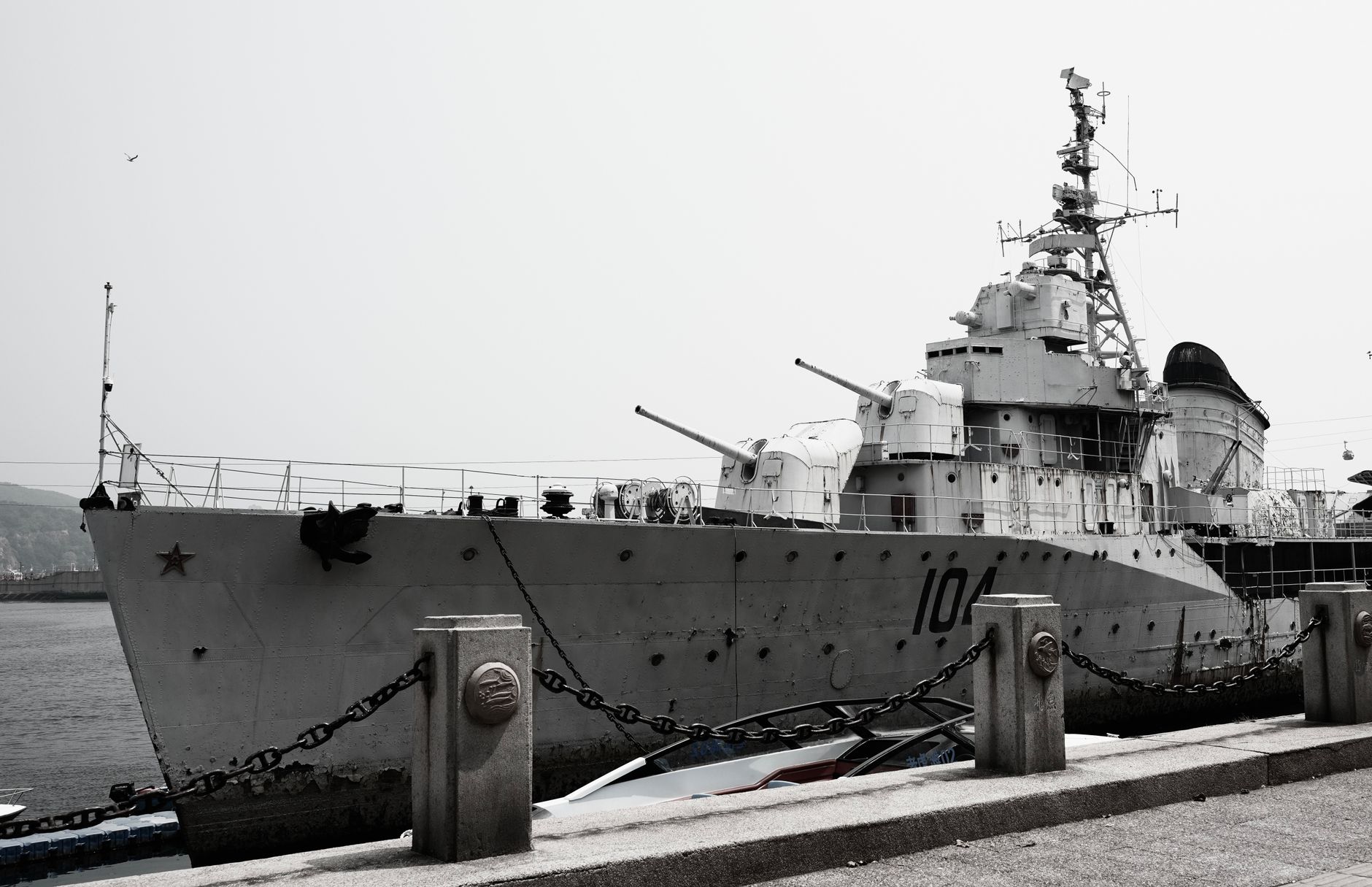
North Korea destroyer developments have raised concerns as the country adds a second destroyer while the US, South Korea, and Japan conduct military exercises.
Overview of North Korea’s Military Strategy
North Korea’s military strategy has increasingly focused on naval power, highlighted by the recent addition of a second destroyer to its fleet. This move comes amid heightened tensions in the region, particularly with the United States, South Korea, and Japan conducting joint military exercises. The deployment of a new North Korea destroyer signifies a shift towards enhancing maritime capabilities, which the regime views as essential for deterrence and defense.
The North Korean government has emphasized the importance of bolstering its naval forces, aiming to project power beyond its borders. Analysts suggest that this expansion is not merely defensive but also a demonstration of military might intended to intimidate neighboring countries.
As North Korea continues to invest in its military infrastructure, experts warn that these developments could escalate regional conflicts and provoke responses from its adversaries, further complicating security dynamics in East Asia.
Recent Military Exercises by US and Allies
In recent weeks, tensions have escalated in the region as the United States, South Korea, and Japan conducted joint military exercises. These operations are part of ongoing efforts to counteract the growing military capabilities of North Korea, which recently added a second destroyer to its naval fleet.
The exercises included various maneuvers aimed at improving interoperability among the allied forces, showcasing advanced weaponry and defensive strategies. The presence of North Korea’s destroyer highlights the increasing naval ambitions of the regime, prompting concerns among regional powers.
Observers have noted that the timing of these drills coincides with North Korea’s intensified military rhetoric, further complicating diplomatic efforts. As the alliance strengthens its military posture, the potential for miscalculations or conflicts in the area remains a significant concern.
- Joint naval drills conducted in the Sea of Japan
- Focus on anti-submarine warfare and missile defense
- Increased surveillance and reconnaissance operations
Implications of North Korea’s New Destroyer
The recent addition of a second destroyer to North Korea’s naval fleet raises significant concerns regarding regional stability and military escalation. Analysts suggest that this development could lead to increased tensions among neighboring countries, particularly as the United States, South Korea, and Japan conduct joint military exercises in response.
Key implications of North Korea’s new destroyer include:
- Escalation of Arms Race: The enhancement of North Korea’s naval capabilities may provoke an arms race in the region, pushing other nations to bolster their own military assets.
- Threat to Maritime Security: The presence of advanced destroyers could destabilize maritime operations and increase the risk of confrontations at sea.
- Shift in Strategic Balance: North Korea’s military strategy may become more aggressive, altering the strategic balance in Northeast Asia.
These developments underscore the urgent need for diplomatic efforts to address rising tensions.
International Reactions to the Expansion
International reactions to North Korea’s recent military expansion, including the addition of a new destroyer, have been overwhelmingly critical. Countries across the globe are expressing deep concern over the implications of Pyongyang’s bolstered naval capabilities.
Key reactions include:
- United States: Officials condemned the expansion as a threat to regional stability, urging North Korea to return to diplomatic negotiations.
- South Korea: The government emphasized the need for heightened military readiness, citing the destroyer’s potential to disrupt balance in the region.
- Japan: The Japanese defense ministry reiterated its commitment to enhancing defense cooperation with the US and South Korea in response to North Korea’s aggressive posturing.
- China: While calling for dialogue, China expressed concern over the military buildup, urging all parties to act with restraint.
These reactions underscore the ongoing tensions surrounding North Korea’s military ambitions.
Historical Context of Naval Developments
The historical context of naval developments in North Korea reveals a significant shift in military strategy over the past few decades. Traditionally, the country focused on strengthening its ground forces; however, recent years have seen an increased emphasis on naval capabilities, exemplified by the launch of its new destroyer.
As international tensions grew, especially following the testing of ballistic missiles, North Korea recognized the need for a formidable naval presence. This led to:
- Increased investment in modernizing its naval fleet.
- Collaboration with allied nations to enhance maritime security.
- Development of advanced shipbuilding technologies.
The introduction of the North Korea destroyer marks a pivotal moment in this evolving landscape, indicating a strategic pivot towards a more aggressive maritime posture amid ongoing military exercises by the US, South Korea, and Japan.
Future of US-South Korea-Japan Cooperation
The military dynamics in East Asia are shifting as the United States, South Korea, and Japan enhance their cooperation in response to North Korea’s growing naval capabilities, notably the recent addition of a second destroyer. This collaboration aims to address the potential threats posed by North Korea’s military expansion.
Key aspects of this trilateral partnership include:
- Intelligence Sharing: Enhanced communication and data-sharing protocols to monitor North Korea’s maritime activities.
- Joint Exercises: Increased frequency of military drills to improve interoperability among the three nations’ forces.
- Strategic Partnerships: Strengthening alliances with regional partners to create a united front against potential aggression.
As North Korea continues its military build-up, the role of the US-South Korea-Japan cooperation will be crucial in maintaining stability and deterring further provocations from the North Korean destroyer fleet.
Analysis of Regional Security Concerns
The introduction of the North Korea destroyer into its naval fleet raises significant regional security concerns among neighboring countries. Analysts warn that this military expansion could heighten tensions in an already volatile area. The following points summarize key concerns:
- Increased Military Capability: The North Korea destroyer enhances the nation’s ability to project power and conduct maritime operations.
- Threat to Shipping Routes: The presence of advanced naval assets could threaten crucial shipping lanes in the Sea of Japan.
- Escalation of Arms Race: This development may compel South Korea and Japan to bolster their naval capabilities in response.
- Potential for Miscalculation: Heightened military activities increase the risk of unintended confrontations between regional powers.
As these dynamics unfold, the international community watches closely, recognizing that the implications extend far beyond the Korean Peninsula.
Conclusion on Military Balance in Asia
In conclusion, the introduction of the North Korea destroyer into its naval fleet marks a significant shift in the military balance in Asia. As North Korea continues to bolster its maritime capabilities, regional tensions are likely to escalate further. The response from the international community, particularly from the US, South Korea, and Japan, has been swift and decisive, emphasizing the need for collective security measures.
With North Korea’s aggressiveness on display, the potential for miscalculation increases, raising concerns about stability in the region. The military exercises conducted by allied nations serve as a critical countermeasure to deter further provocations. Furthermore, the historical context of naval power dynamics highlights the importance of maintaining a balance in military strength.
Ultimately, the ongoing developments surrounding the North Korea destroyer will require vigilant monitoring and strategic cooperation among neighboring countries to ensure peace and security across Asia.
The recent unveiling of the North Korea destroyer has raised alarm bells among global military analysts. Many experts believe that the North Korea destroyer represents the worst military expansion yet, signaling a shift in the balance of power in the region.
Photo by Ran Hua on Pexels
Sources
AP News · North Korean destroyer Choe Hyon
Related reading
Labor Day 2026 hours: The Best Guide to Open Businesses · Medicare Advantage Plan Comparison: What You Need to Know · Life Insurance After 50 And 60: How The Review Changes